Apple cluster control is centralized management and batch operation of multiple iPhones from one computer, with no jailbreak and no plugins, driving the devices by injecting external input. The USB HID path has been available since EasyClick iOS USB 10.7.0 (2026-09-08): it does not need Bluetooth or OTG hardware, the phone needs iOS 17 or above, and it is mutually exclusive with “start automation.” What follows is how dozens of Marketplace accounts list goods in bulk and answer inquiries.
Listing and answering inquiries interrupt each other
Lao Zhou sells outdoor gear. He sells second-hand and leftover stock on Facebook Marketplace. Facebook marketing is his main work, and he has a little over twenty accounts. Second-hand ecommerce looks simple, and the work is all small details. In the morning he spends two hours listing that day’s goods, twelve or thirteen items. Each one needs a title, a description, a price, a condition, and a pickup method, and he still has to pick three photos. Halfway through listing, the phone rings. Someone is asking “is it still available” about yesterday’s batch. He cannot answer messages while listing, and he cannot list while answering messages. By 2 p.m. the goods are listed, and more than forty messages have piled up. Half are “is it still available,” and the other half are “can you go a bit lower.” In his words: listing is fine. What he fears is having to look back after listing, which of yesterday’s sold and which should be relisted. He keeps forgetting that.
The cost of a page post sits in producing content. What to post today, how to make the image, how to write the copy. Once you have thought it through and posted it, there is little to manage afterward. Marketplace has to run two lines at the same time. Listing is one line. Answering messages is the other. As soon as the goods are listed, people ask, and they ask the same few repeated sentences. A buyer’s patience is counted in hours, and neither line can stop. What Lao Zhou is stuck on is exactly that: the two jobs interrupt each other.
How to schedule the listings, and try two or three accounts first
A batch of accounts, a batch of goods, and the same flow. Facebook cluster control is a typical fit for this job. Bulk Marketplace listing splits into “prepare the material + upload.” Put the preparation the night before. Organize the product name, description, price, condition, pickup location, and three photos into one list. Doing this on a computer is faster than on a phone, and the next day’s upload does not have to hunt for assets back and forth. Put the upload the next morning. A little over twenty accounts do not all need to list the same batch. Inside the same city, one account is enough. Multiple accounts are for crossing regions. Group the accounts by region, and have each account list the goods for its own area.
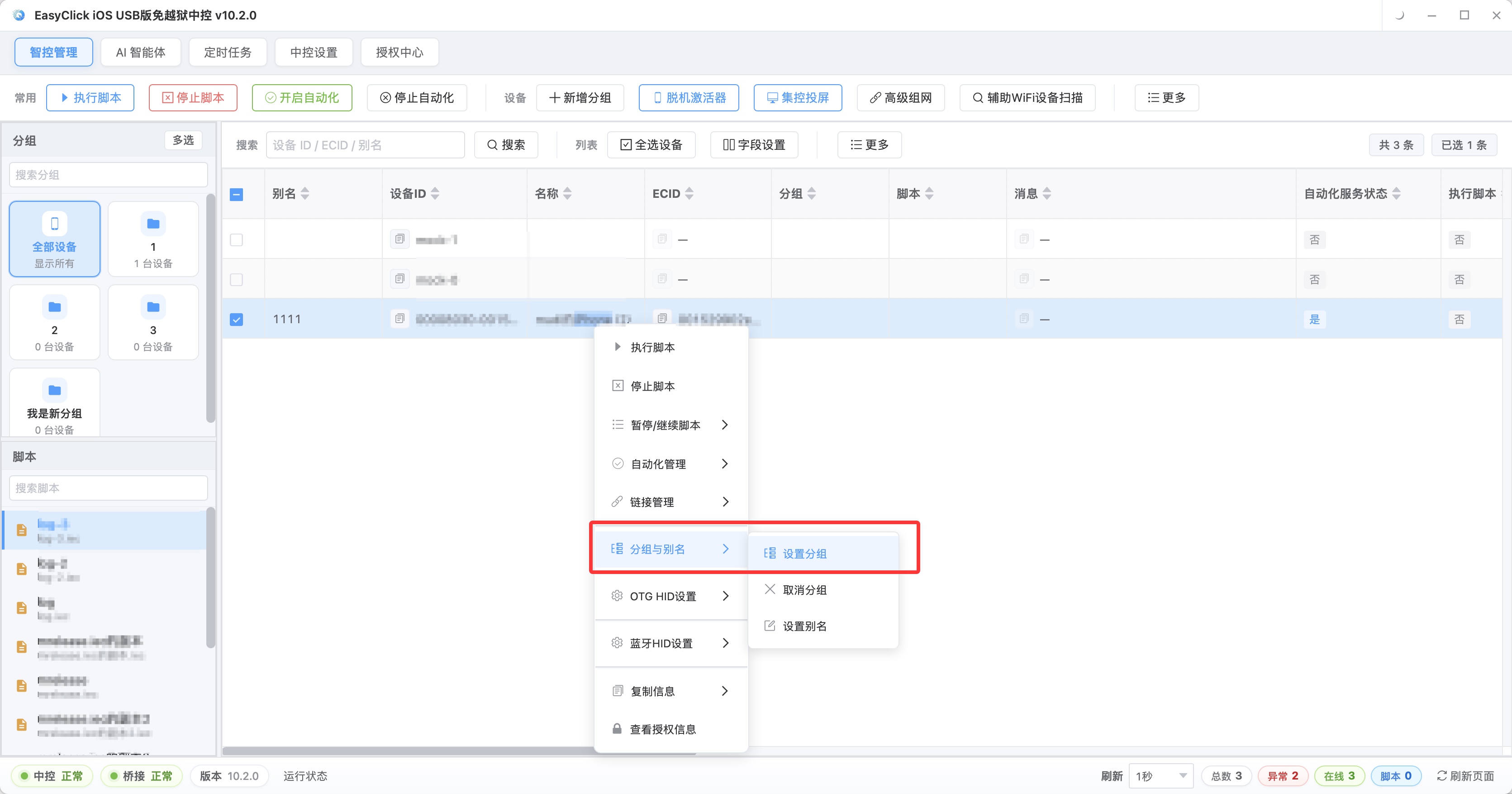
After the groups exist, uploading is “dispatch this batch of goods to this group.” Which group has a problem, and which device is stuck, is visible at a glance. Run two or three accounts through once first. Do not skip this step. The first time, Lao Zhou went straight to twenty accounts. One account had the pickup location filled in wrong, and all twenty listings went up in the next city over. Run two or three first, confirm the flow is right, then spread it out.
How to sort inquiries, and who cleans up the leftovers
Lao Zhou has counted them. More than sixty percent of the messages are these three sentences: is it still available, can you go lower, can you ship. The answers are fixed, and they do not need an on-the-spot judgment. “Is it still available” gets “yes” or “already sold.” “Can you ship” gets “yes, shipping is X” or “pickup only.” Giving this kind of reply to a machine is steadier than giving it to a person. A person answering it twenty times gets annoyed, and once annoyed it is easy to answer wrong.
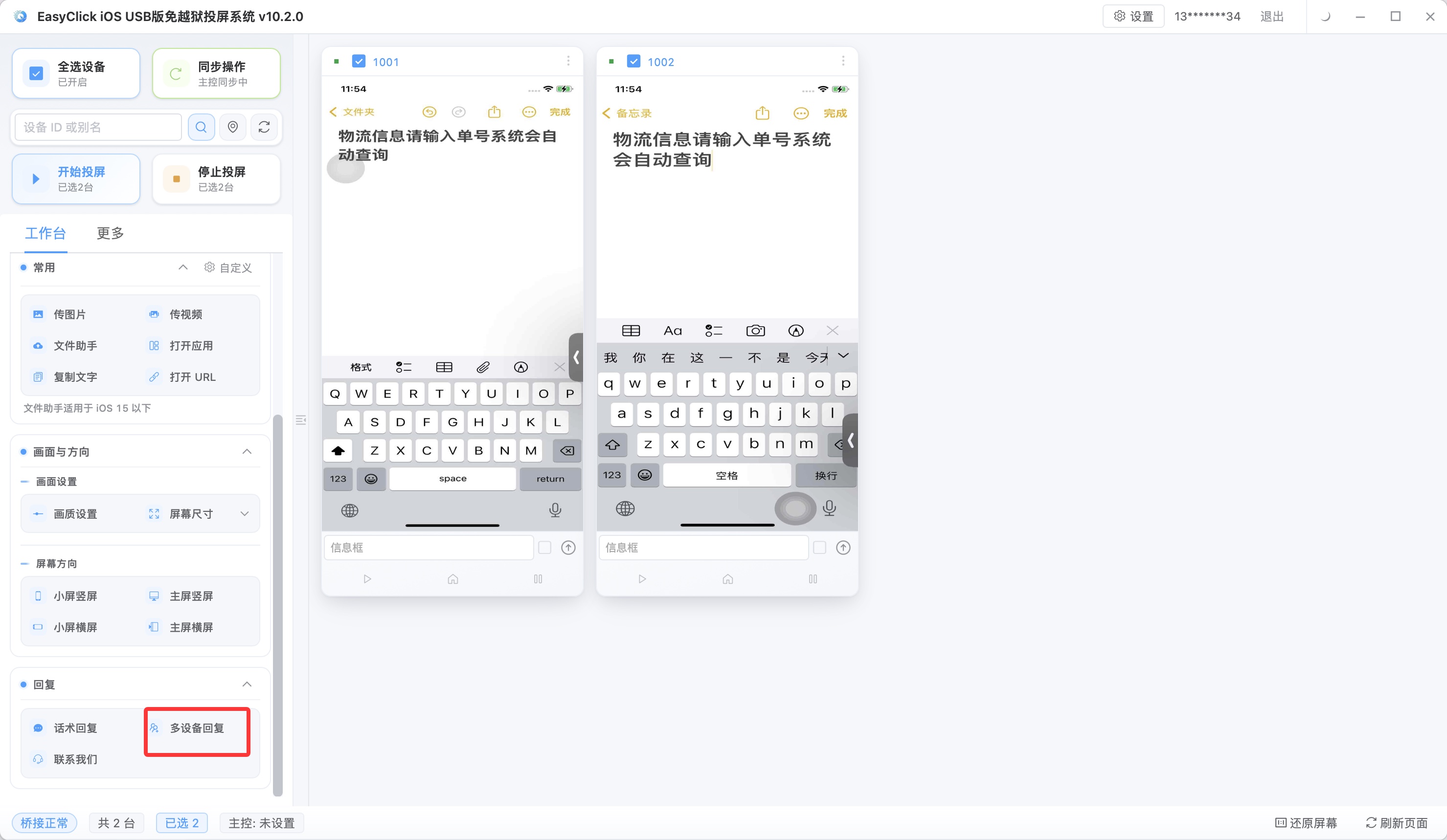
The remaining forty percent is what actually needs a conversation: bargaining, asking for details, setting a time. A person has to look at those. Lao Zhou has customer service watch the message list at a computer. Standard questions get a prepared sentence sent out. The ones that need a conversation, they take themselves.
Who cleans up what sold and what expired is the step Lao Zhou forgets most easily, and the step that most belongs with automation. If an item sells and is not marked sold, people will still ask the next day. If a listing expires and is not relisted, the listing was wasted. Marketplace listings have a validity period. Set an inspection at a fixed time, such as 10 p.m. every day, and sweep the accounts that need handling that day: mark the sold ones, relist the expired ones, and take down the ones already agreed in negotiation. An item that is still listed after the deal is agreed keeps drawing people who ask, and you explain the same thing over and over. Take it down first, and handle it after it closes.
Which jobs belong with iEasyRun
Work that has to be done every day, with a fixed flow, goes through Apple cluster control. Lao Zhou later had another kind of job: a quarterly clearance count. He exports the items currently listed across a little over twenty accounts and checks them against the physical stock, to see which are listed with no stock and which have stock and are not listed. It happens once a quarter, and writing a set of iOS automation scripts for it does not pay. He hands this kind of job to iEasyRun. You do not write a script first. Say what needs doing once, and it looks at the screen and does it. One-off work, and work whose flow is still changing, is less effort this way than writing a script.
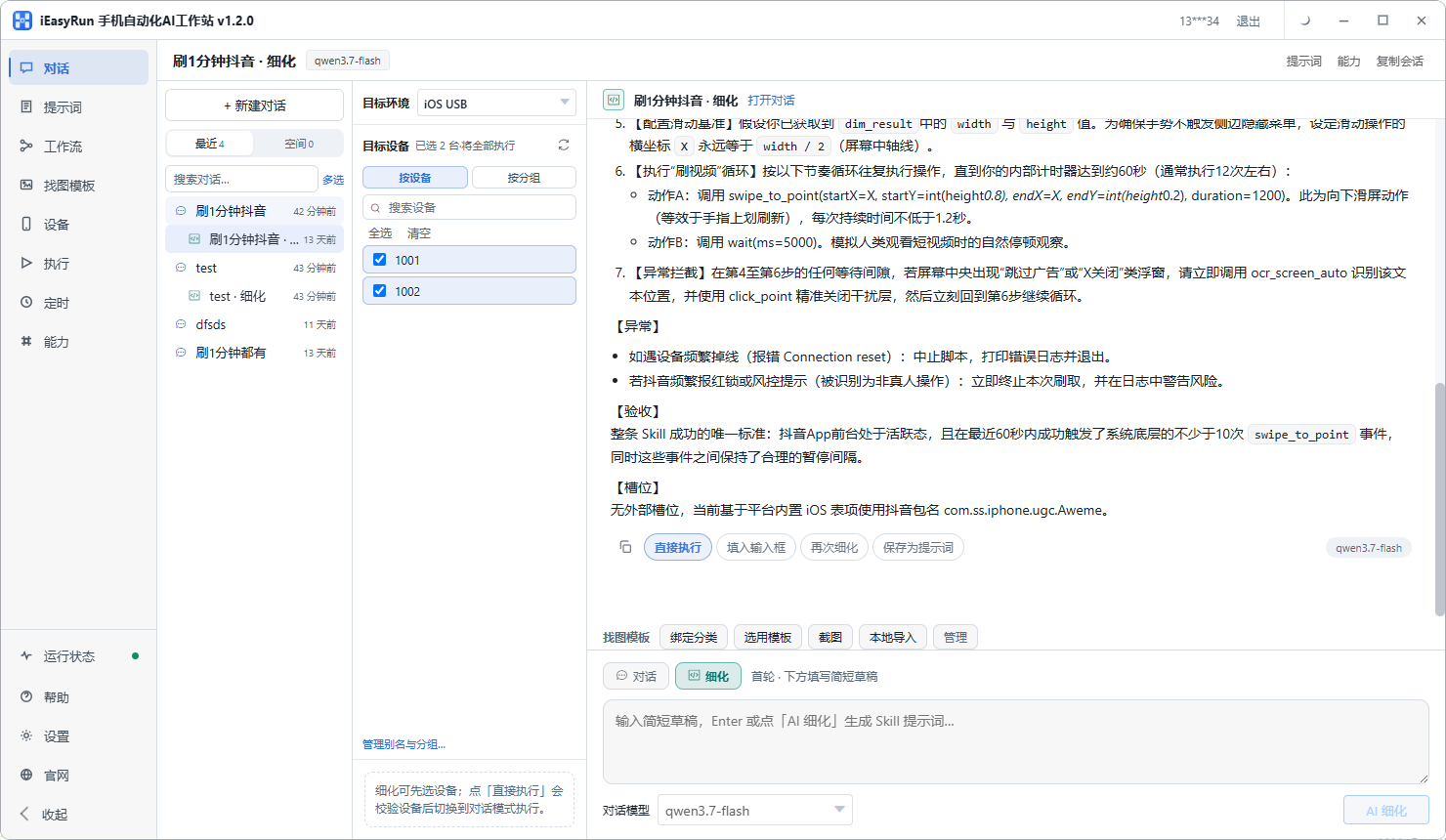
Daily listing, inquiry replies, and the evening inspection go through iOS cluster control. The quarterly count, and a sudden wish to compare what peers are selling for, is one sentence in iEasyRun. Both sets run on the same phone, and they do not conflict with each other.
Do not list the same batch at high frequency on the same account. Relisting something that will not sell, over and over, looks like boosting. Take down what should come down. Reshoot the photos from another angle and rewrite the description. That is more useful than relisting it unchanged. Do not use fixed replies to chase customers. What the machine handles is repeated questions. If the other person did not reply, they are not interested. Bargaining and after-sales have to be taken by a person. Those two need judgment. Write the description as it is. Condition, flaws, and pickup limits all go in clearly. Marketplace reputation is built by not having returns. One return gives back the time you saved.
Lao Zhou is fine with listing. What he fears is looking back to clean up. He now spends an extra look on the evening inspection: mark the sold ones, relist the expired ones, and confirm the assets for the batch to list tomorrow. Twenty minutes. Compared with the ninety minutes it used to save, it is worth it. With the time left over, he regrouped the twenty-odd accounts by region. Before, one account listed goods for the whole city, and a buyer would ask only to find the pickup was a three-hour drive away. For the overall approach to multi-account operations, read the Facebook social matrix piece. For how to put the screens of many devices on one display, see iOS screen mirroring without jailbreak.
About EasyClick: A mobile automation script development platform covering three phone ecosystems: Android without root, iOS without jailbreak, and HarmonyOS. It also offers Apple script writing, Apple cluster control, Android cluster control, remote cloud control, and AI phone cluster control. → Explore all products
Ready to build it for real?
Every approach in this article can be built on the EasyClick phone automation platform — full documentation, developer tools and cluster/cloud-control products, free to try.